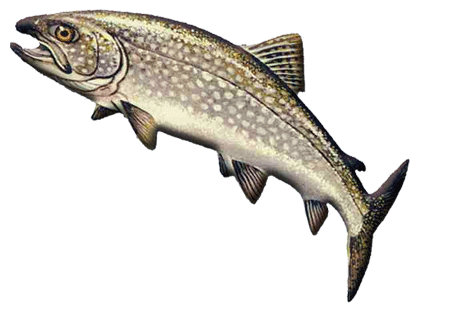
Fresh Water Fish Identification
COMMON NAMES: Lake trout, Grey trout, Mackinaw trout
SCIENTIFIC NAME: Salvelinus namaycush
IDENTIFICATION: Lake trout are a medium to dark gray or olive color with white worm-like wavy marks on their backs and on top of the head. Occasionally, they have bars or spots along the side mainly tinged with red. Lake trout also are the only trout with a deeply forked tail.
RANGE AND HABITAT: Lake trout are native to the Great Lakes and prefer deep, coldwater lakes throughout North America. They are usually found offshore in deep, well oxygenated water.
LIFE HISTORY: Lake trout spawn on offshore shoals and reefs in the fall. Eggs hatch in the spring and young lake trout usually move to deeper water after a short time. Adult fish are opportunistic feeders their diet consisting of aquatic insects, crustaceans, and a range of fish species, including small lake trout. The lake trout is a slow growing, long lived species that does not become sexually mature until age seven or eight. Lake trout populations have been greatly reduced over much of their range due to their susceptibility to parasitism by the sea lamprey.
ADULT SIZE: Lake trout average between 20 and 24 inches and 3 to 6 pounds, but are capable of reaching 50 pounds.
FISHING METHODS: Trolling spoons, dodgers and flies or crankbaits in the spring and fall occasionally take a lake trout. Also, anglers fishing for steelhead on piers and beaches during late fall and winter may catch one.