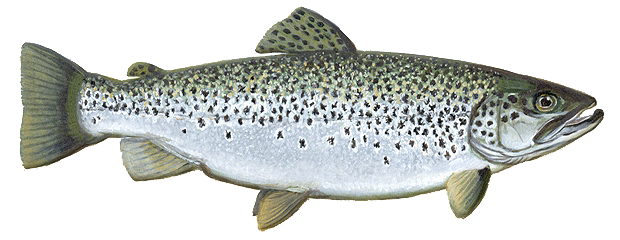
Fresh Water Fish Identification
COMMON NAMES: Brown trout, German brown trout, Brownie
SCIENTIFIC NAME: Salmo trutta
IDENTIFICATION: Brown trout are brown to gold on their back with a cream to slate-colored belly. Most fish have black, gray, yellow and occasionally red spots all surrounded by a white halo. This species has a prominent spotted adipose fin between the dorsal and caudal fin. There are no spots on the squarish tail or vermiculation--wormy marks, on the back.
RANGE AND HABITAT: Brown trout are native to Europe but were introduced to North America before the turn of the century. They prefer cold water with temperatures ranging up to 26 C. Preferred habitat includes areas of boulders, cobble, logs, rootwads and overhead cover. Brown trout will feed in riffles containing rock as small as gravel.
LIFE HISTORY: Brown trout generally reproduce in nature they spawn over gravel or cobble substrates in moving water. Adult fish feed heavily on aquatic insects but they also eat crayfish and a variety of fish.
ADULT SIZE: The average brown trout ranges from 2 to 12 pounds in size.
FISHING METHODS: Most anglers use fly-fishing gear when targeting brown trout. Flies generally match local hatches or nymphs of caddisfly, stonefly, or mayflies. However, brown trout can be caught with worms, crayfish, minnows, and leeches. Trolling, browns can be caught using crankbaits, spoons and dodgers and flies. Catch rates are usually greatest during cooler weather (fall through spring) or early in the day or late evening in summer. When fly fishing anglers should concentrate on areas with downed logs, root wads, and overhanging banks.