Identification Tips:
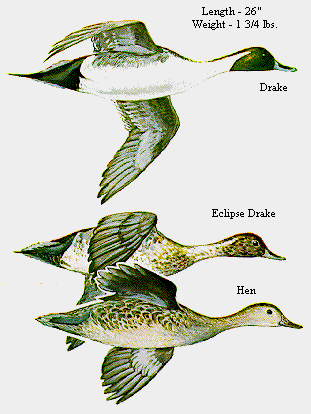
Length: 18.5 inches Wingspan: 35 inches
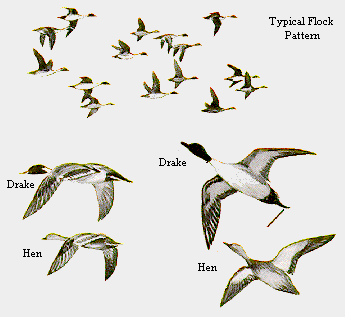
Medium-sized dabbling duck with very long neck, small head and attenuated rear
Juvenile similar to adult female
Adult male alternate:
Alternate plumage worn from fall through early summer
Pale gray bill with black stripe down center
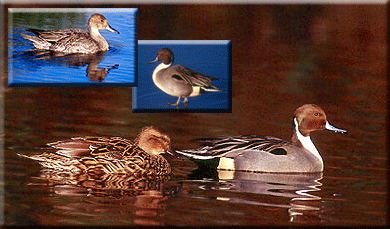
Dark brown head
White neck, breast and belly with white finger extending up back of neck to rear part of face
Gray flanks and back with black centers to back feathers
Whitish patch at rear portion of flanks bordering undertail coverts
Black undertail coverts
Long, black central tail feathers
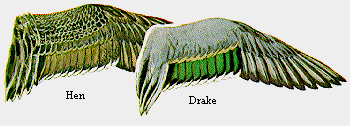
Green speculum with white rear border and chestnut forward border
Adult male basic:
Similar to adult female but retains green speculum
Adult female:
Gray bill
Tan head and neck
Mottled tan and dark brown back and body plumage, paler on belly
Brown speculum with white rear border
Similar species:
Adult male unmistakable in alternate plumage. Females, immature and eclipse-plumage males are similar to many other female ducks but have a distinctive shape: very long-necked, small-headed and pointed-tailed. Note also female's brown speculum bordered at the rear by white.
These ducks use all four flyways, but are most plentiful in the west. They are extremely graceful and fast fliers, fond of zig-zagging from great heights before leveling off to land.
The long neck and tail make them appear longer than mallards, but in body size and weight they are smaller. They are agile on land and often feed in grain fields. The drakes whistle; the hens have a coarse quack.