Identification Tips:
Length: 13 inches Wingspan: 31 inches
Medium-sized diving duck
Yellow eye
Gently sloped forehead
Black bill is small, but larger than in Barrow's Goldeneye
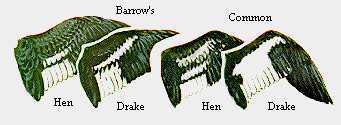
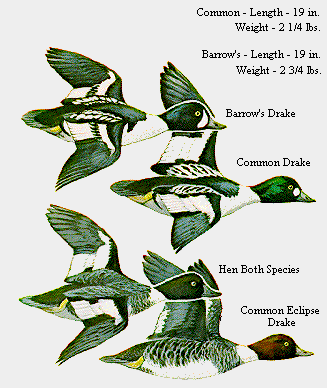
White patches on the secondaries and secondary coverts visible in flight
Immature female is similar to the adult female, immature male is like adult female but has a white breast,a darker head and a trace of the male's white patch before the eye
Adult male alternate:
Alternate plumage worn from fall through early summer
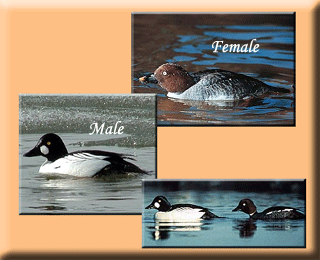
Glossy greenish head
White circular patch below eye on face
White lower neck, breast, belly and flanks
Dark back
White scapulars with black striping
Adult female:
Reddish-brown head
Dark-based bill with light patch at tip
Gray body, paler on the breast and darker on the back
White patch on wing split by two dark bands
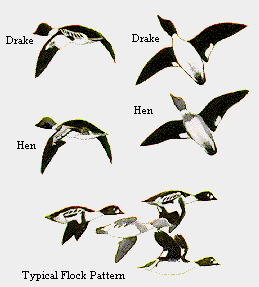
These are active, strong-winged fliers moving singly or in small flocks, often high in the air. Distinctive wing-whistling sound in flight has earned the name of whistlers. Goldeneyes generally move south late in the season; most of them winter on coastal waters and the Great Lakes. Inland, they like rapids and fast water.
Barrow's goldeneye, predominantly a westerner, is less wary than the common goldeneye. Hens of both species are look-alikes. Drakes have a piercing speer-speer - hens a low quack. Both are usually quiet.